
Model guide · Z-Image Turbo 6B
Run Z-Image Turbo on a Mac
Z-Image Turbo runs locally on Apple Silicon in DiffusionBear, a free MIT-licensed Mac app. On an M1 with 16 GB, the 4-bit 6B model generates a 512×768 image in about two minutes at eight steps. It is the model to pick for clean architecture and geometry.
The short answer
Z-Image Turbo 6B, 4-bit, 512×768, eight steps. On a 16 GB M1, eight of the ten benchmark portrait prompts finished in 118.38–118.53 seconds, about 14.5 seconds per step. It is slower than FLUX.2 Klein 4B (43.9 s), and its strength is crisp architectural geometry.
In DiffusionBear, Z-Image Turbo accepts one reference image, LoRAs, and a fast VAE. The Euler sampler maps to its flow-match scheduler.
What it looks like in DiffusionBear
Pick Z-Image Turbo in the model picker of the Generate tab, type a prompt, and generate. Everything runs on the Mac's own GPU; no account and no cloud.

Z-Image Turbo examples generated on an M1 Mac
Three real outputs from the benchmark: architecture, landscape, and a space scene.

512×768 · 8 steps · 4-bit · seed 1003 · 127.82 s on M1 16 GB

512×768 · 8 steps · 4-bit · seed 1001 · 118.53 s on M1 16 GB
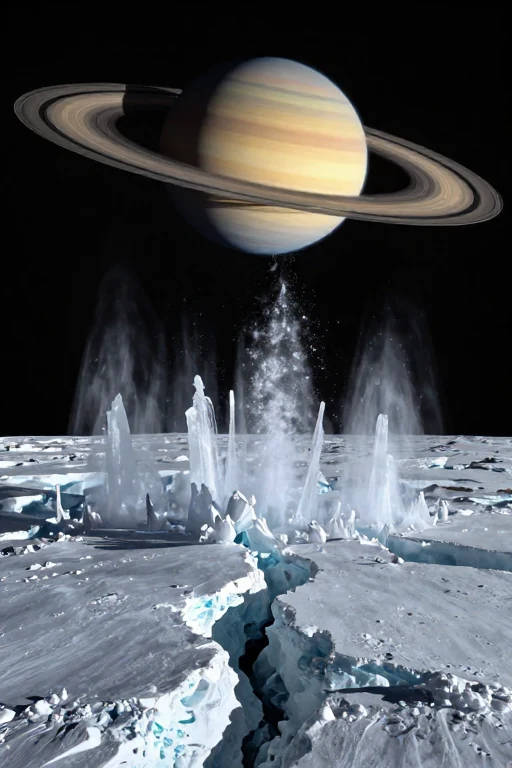
512×768 · 8 steps · 4-bit · seed 1010 · 118.44 s on M1 16 GB
Z-Image Turbo on which Mac?
Memory decides what fits; the chip decides how fast it runs.
| Unified memory | Fit | Notes |
|---|---|---|
| 8 GB | Not supported | Below the 16 GB recommendation. |
| 16 GB (M1, measured) | Works · 118.4 s | Benchmarked configuration for Z-Image Turbo. Close memory-heavy apps first. |
| 24 GB and more | More headroom | Room to keep a browser open beside it. Timings not measured. |
How to run Z-Image Turbo on your Mac
- Download DiffusionBear v0.5.1 and move it to Applications (see install & Gatekeeper).
- Open the Models tab and download Z-Image Turbo (about 5.9 GB).
- In the Generate tab, pick Z-Image Turbo, set eight steps and 512×768.
- Write the prompt and generate. Add one reference image or a LoRA if you need a specific look.
Z-Image Turbo on Mac FAQ
Can I run Z-Image Turbo on a Mac?
Yes. DiffusionBear runs Z-Image Turbo 6B natively on Apple Silicon with 4-bit MLX weights through mflux. Download it from the Models tab and generate offline.
How fast is Z-Image Turbo on an M1 Mac?
In the DiffusionBear v0.5.1 benchmark on an M1 with 16 GB, Z-Image Turbo took a median 118.44 seconds per 512x768 image at eight steps (118.38 to 127.82 seconds across ten prompts). Other chips have not been measured.
Does Z-Image Turbo work on a MacBook Air or Mac mini?
Any Apple Silicon Mac from M1 to M6 with macOS 26.2 or later can run the app. 16 GB of unified memory is the recommended floor; 8 GB is not supported. Speed has only been measured on an M1 with 16 GB.
How many steps should I use with Z-Image Turbo?
DiffusionBear exposes six to eight steps for Z-Image Turbo. The benchmark uses eight. Fewer steps save time per image; check the result on your own prompt.
How much disk space does Z-Image Turbo need?
The 4-bit download listed in the app manifest is about 5.9 GB, including the text encoder and VAE.