
Model guide · FLUX.2 Klein 4B / 9B
Run FLUX.2 Klein on a Mac
FLUX.2 Klein runs locally on Apple Silicon in DiffusionBear, a free MIT-licensed Mac app. On an M1 with 16 GB, the 4-bit 4B model generates a 512×768 image in about 44 seconds; the 9B model takes about 91 seconds. No Python, no ComfyUI, no cloud.
The short answer
FLUX.2 Klein 4B, 4-bit, 512×768, four steps. That is the setting DiffusionBear benchmarks on a 16 GB M1, and it finished every one of the ten portrait prompts in 43.87–44.16 seconds. The 9B model ran the same prompts in 90.66–90.80 seconds.
Both models are guidance-distilled: four steps is the intended operating point, and there is no negative prompt. In DiffusionBear they accept up to 10 reference images, FLUX.2 LoRAs, and generative fill.
What it looks like in DiffusionBear
Pick FLUX.2 Klein 4B or 9B in the model picker of the Generate tab, type a prompt, and generate. Everything runs on the Mac's own GPU; no account and no cloud.

FLUX.2 Klein examples generated on an M1 Mac
Three real outputs from the benchmark. The last image uses the same prompt and seed as the first, on the 9B model.

512×768 · 4 steps · 4-bit · seed 1004 · 43.90 s on M1 16 GB

512×768 · 4 steps · 4-bit · seed 1002 · 43.87 s on M1 16 GB
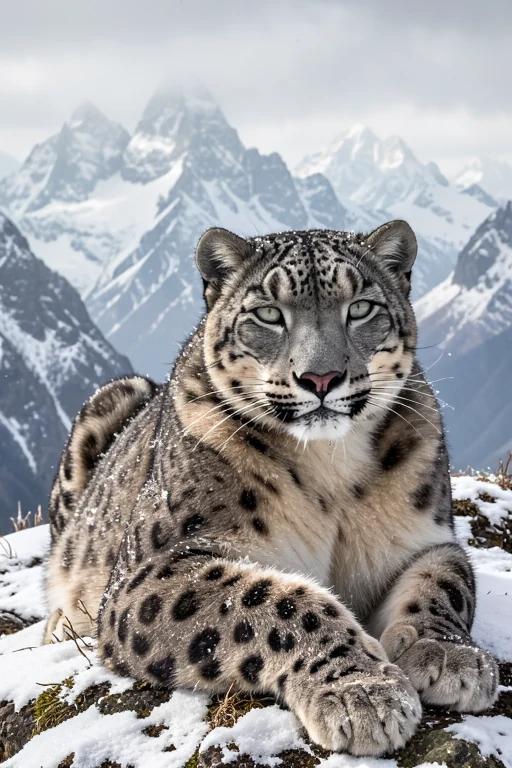
512×768 · 4 steps · 4-bit · seed 1004 · 90.66 s on M1 16 GB
FLUX.2 Klein on which Mac?
Memory decides what fits; the chip decides how fast it runs.
| Unified memory | Klein 4B (4.6 GB download) | Klein 9B (9.5 GB download) |
|---|---|---|
| 8 GB | Not supported | Not supported |
| 16 GB (M1, measured) | Recommended · 43.9 s | Works, close other apps · 90.8 s |
| 24 GB and more | More headroom · not measured | Comfortable · not measured |
How to run FLUX.2 Klein on your Mac
- Download DiffusionBear v0.5.1 and move it to Applications (see install & Gatekeeper).
- Open the Models tab and download FLUX.2 Klein 4B.
- In the Generate tab, pick FLUX.2 Klein 4B, keep four steps, and set 512×768 or 640×640.
- Write the prompt and generate. Keep the seed if you want to reproduce the image.
- Optional: add reference images, a FLUX.2 LoRA, or switch to the 8-step mode for extra detail (83.85 s median per image on the M1).
FLUX.2 Klein on Mac FAQ
Can I run FLUX.2 Klein on a Mac?
Yes. DiffusionBear runs FLUX.2 Klein 4B and 9B natively on Apple Silicon with 4-bit MLX weights. Download the app, download the model from the Models tab, and generate offline.
How fast is FLUX.2 Klein on an M1 Mac?
In the DiffusionBear v0.5.1 benchmark on an M1 with 16 GB, FLUX.2 Klein 4B took a median 43.9 seconds per 512x768 image at four steps, and FLUX.2 Klein 9B took a median 90.76 seconds. Other chips have not been measured.
Does FLUX.2 Klein work on a MacBook Air or Mac mini?
Any Apple Silicon Mac from M1 to M6 with macOS 26.2 or later can run the app. 16 GB of unified memory is the recommended floor; 8 GB is not supported. Speed depends on the chip and cooling and has only been measured on an M1 with 16 GB.
Should I use FLUX.2 Klein 4B or 9B?
Start with 4B on a 16 GB Mac: it is about twice as fast and leaves more memory for macOS. Use 9B when you want more detail and can close other apps; with 24 GB or more it has more headroom.
How much disk space does FLUX.2 Klein need?
The 4-bit downloads listed in the app manifest are about 4.6 GB for Klein 4B and 9.5 GB for Klein 9B, including the text encoder and VAE.